Iran Briefly Restricts Strait of Hormuz During Naval Drills — Global Oil Markets on Alert
- OTM News

- Feb 18
- 3 min read
OTM Global Brief | Breaking Developments in Energy & Security
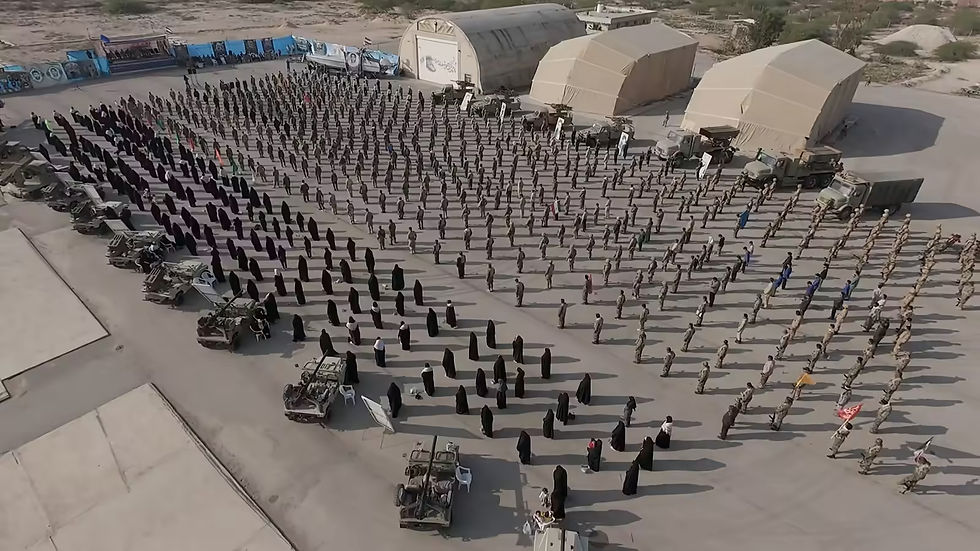
Iran temporarily restricted maritime traffic in parts of the Strait of Hormuz during live-fire naval exercises conducted by the Islamic Revolutionary Guard Corps (IRGC), drawing immediate global attention to one of the most strategically critical waterways in the world.
While the disruption was brief and commercial traffic resumed shortly after the drills concluded, the move served as a reminder of the Strait’s importance to global energy stability — and Iran’s geographic leverage over it.

What Happened
According to Iranian state media, the naval exercises were conducted near the narrowest section of the Strait of Hormuz and included live-fire drills. Iranian officials described the temporary restriction as necessary for “maritime safety and security” during the operation.
There has been no confirmation of commercial vessels being damaged or seized during this specific exercise. Shipping traffic reportedly returned to normal shortly after the drills ended.
However, even short-term restrictions in this region draw significant scrutiny due to the Strait’s role in global oil transport.
Why the Strait of Hormuz Matters
The Strait of Hormuz connects the Persian Gulf to the Gulf of Oman and the Arabian Sea. At its narrowest point, it is only about 21 miles wide, making it one of the world’s most vulnerable energy chokepoints.
Roughly 20 million barrels of oil per day — nearly one-fifth of global petroleum consumption — pass through this corridor. Major exporters relying on the Strait include:
Saudi Arabia
United Arab Emirates
Kuwait
Iraq
Qatar
Iran
Any sustained disruption could immediately impact:
Global oil prices
Shipping insurance rates
Energy markets
Inflation in oil-importing nations
Even temporary drills tend to raise risk premiums in energy markets.
Was This a Strategic Signal?
The timing of the exercises has drawn attention from analysts, particularly amid ongoing geopolitical tensions involving Iran and Western powers.
Military drills in the Strait are not new. Iran has historically used naval exercises in the region as a demonstration of deterrence capability — signaling that it maintains operational control near its coastline.
However, experts widely agree that a full closure of the Strait would represent a major escalation, often described as a “last resort” scenario. Such a move would likely trigger immediate international response due to the global economic impact.
In this case, the restriction appears to have been limited and temporary.
Does This Benefit the United States?
Some observers have questioned whether temporary disruptions could indirectly benefit U.S. energy interests, particularly as the United States has increased domestic production and adjusted sanction policies toward countries like Venezuela.
However, global oil markets are interconnected. A disruption in the Strait of Hormuz generally increases global crude prices — which affects both allies and competitors alike.
Higher oil prices can:
Increase revenues for energy exporters
Raise gasoline prices globally
Contribute to inflation
Create volatility in financial markets
There is no evidence suggesting the United States pressured Iran to conduct these drills. The exercises appear to have been initiated by Iran as part of its military operations schedule.
Market Reaction
Initial responses from energy markets were cautious but not panicked.
Key observations:
No confirmed long-term shipping disruption
No major supply halt
Temporary increase in risk assessments
Monitoring of tanker movements intensified
Shipping insurers and energy traders continue to watch for any follow-up exercises or statements from Iranian officials.
The Bigger Picture

The Strait of Hormuz remains one of the most sensitive energy flashpoints globally. While this latest event did not escalate into a sustained crisis, it underscores a broader reality:
Energy security and geopolitical stability in the Middle East remain closely linked.
For now:
Traffic has resumed
No sustained closure is in place
Markets remain alert but stable
But as history has shown, even brief signals in the Strait can have global ripple effects.
OTM Analysis Snapshot (Fact-Based Assessment):
Temporary restriction — not a full blockade
No confirmed vessel seizure in this instance
Symbolic military signaling likely
Global oil infrastructure remains operational
Escalation risk currently low, but monitored


Comments